
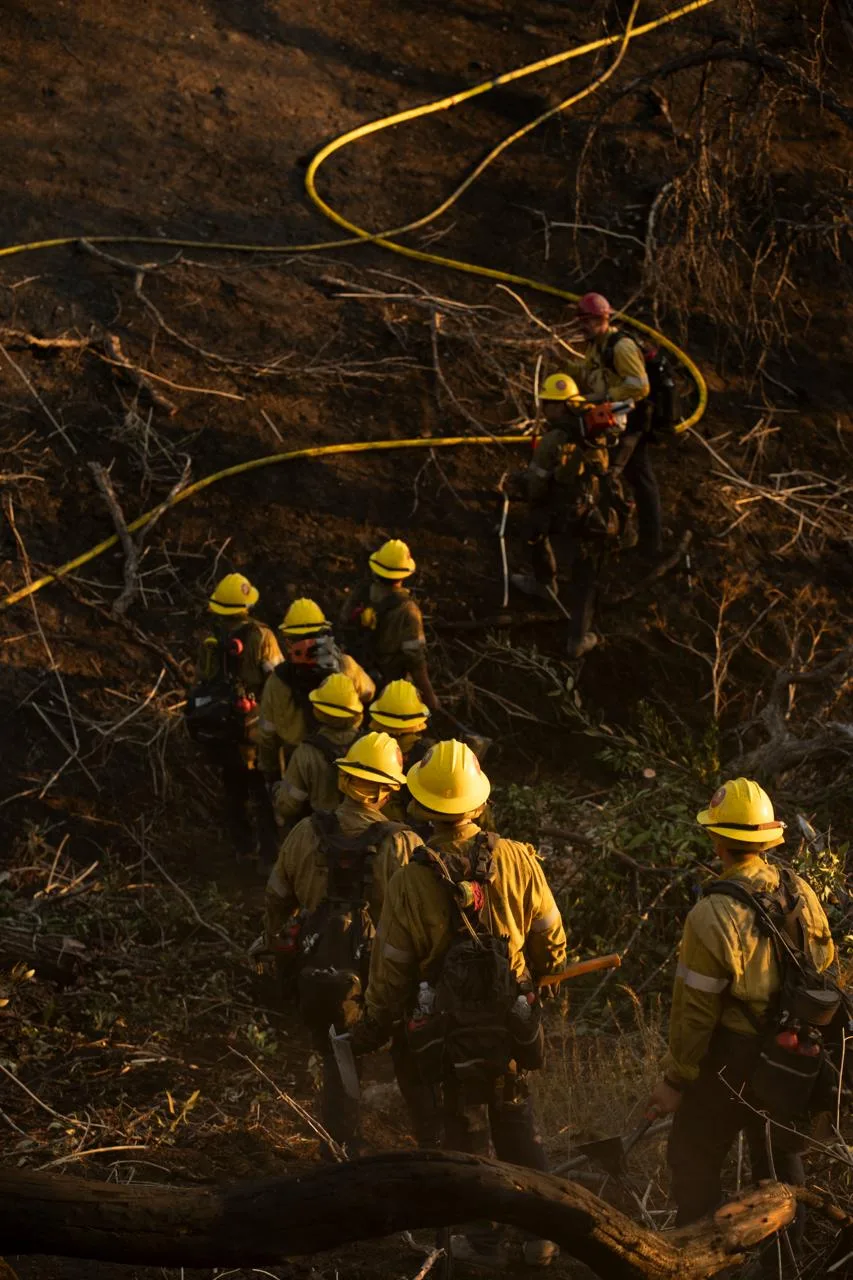
“38 hours after landfall, 420 rooms staged across three counties near the impact zone. One invoice each week until the job was complete, broken out by job number and subcontractor type.”
A disaster activation runs on a 72-hour clock.
72 hours to put crews on the ground. Half of that gone before Operations declares the activation. Local hotel inventory is partly flooded and the rest is full of evacuees. Every room your team finds on the phone, you fight for against a thousand other callers.
Globeo secures rooms near the impact zone by working directly with the national brands instead of the properties directly. We can source special inventory blocks that are not available to the general public or insurance companies.
Local inventory in a major impact zone: 8,000–12,000 rooms. A Cat 4+ activation needs 40,000+. Displaced families get first priority on local rooms; we draw relief-crew lodging from national supply through the brands' disaster-relief desks instead.
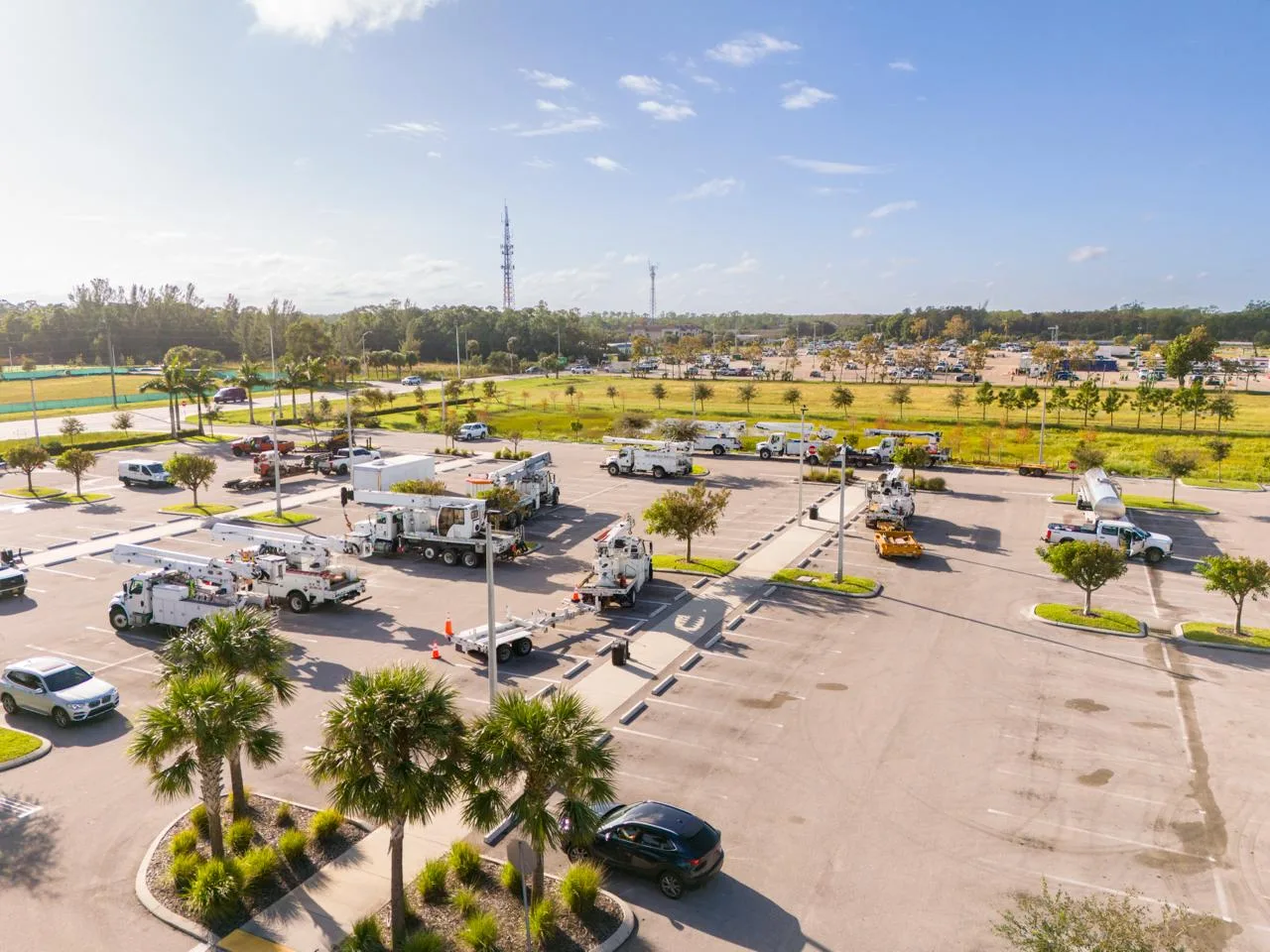
Built for the way disaster-response teams actually mobilize.
Concierge for 24-hour mobilization
Operations declares activation. 420 rooms stage 90 minutes outside the impact zone before the COO finishes the call.
Your cost codes on every booking
Project ID, cost code, and crew roster captured at booking. Your AP team gets the source data the way your audit trail expects it — clean line items, not a phone log.
One invoice, per-county line items
Every county, project, and cost code on one bill. Your finance team rolls it into the Project Worksheet your prime contract requires.
See billing & invoicingQuestions a disaster-response ops lead actually asks.
Editorial coverage of disaster relief.
Move your next activation with Globeo.
30-minute demo. We'll show you how a 420-room surge confirms in 38 hours — and how the invoice rolls up clean by county and cost code at demobilization.